WELCOME TO LION ORDER

The Story is the Order

Lion Order exists to awaken the Lion Within.
Elevate consciousness.
Elevate Culture and Community.

CHAPTER ONE

"The Hills That Raised Me"

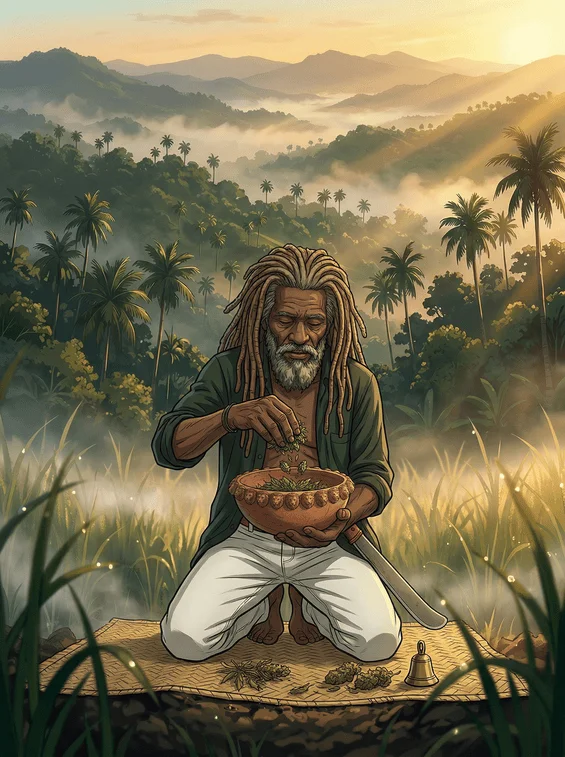
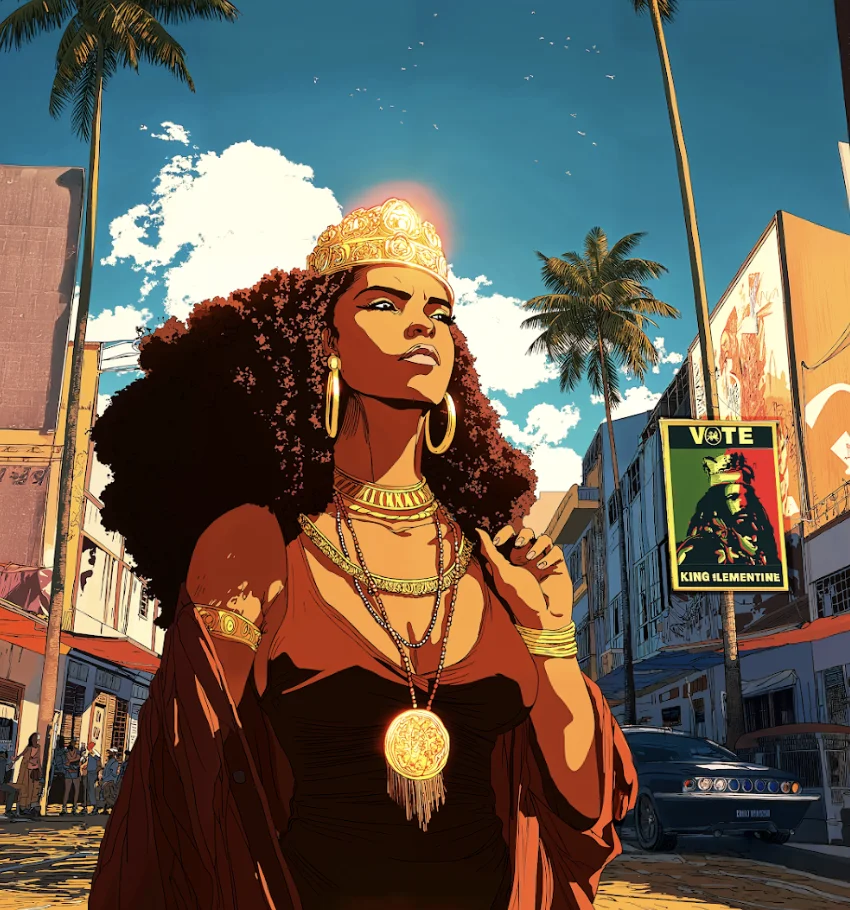
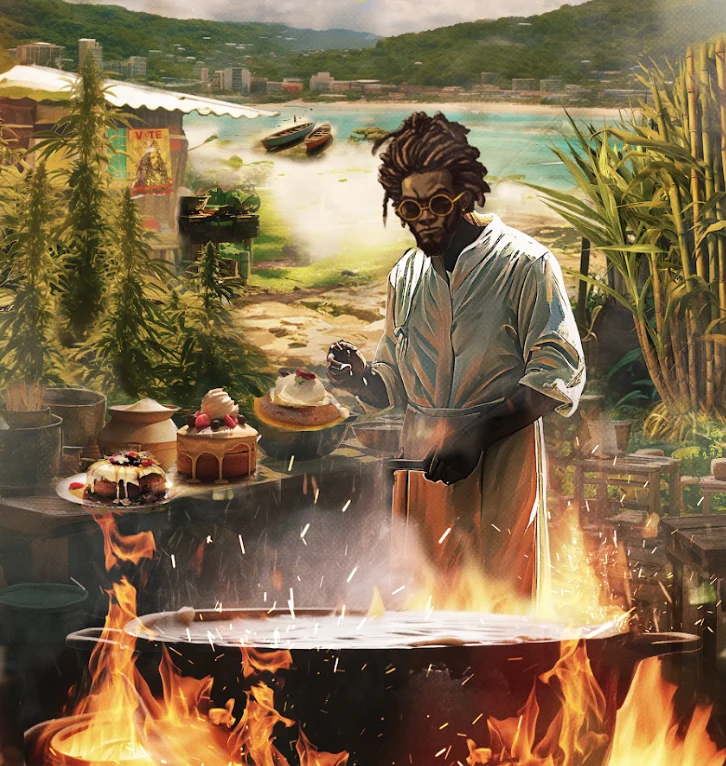
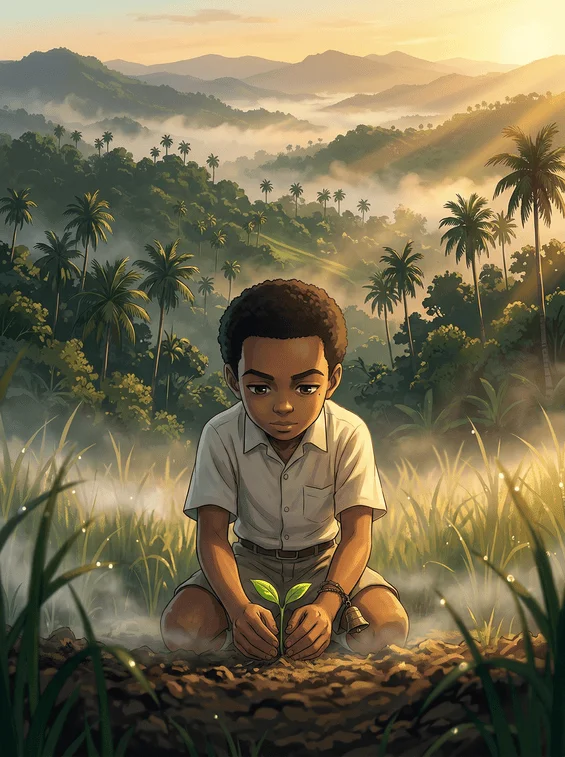
A saga of culture, legacy, and premium cannabis — rooted in Rastafari values, told through the lens of Afro-Caribbean anime.
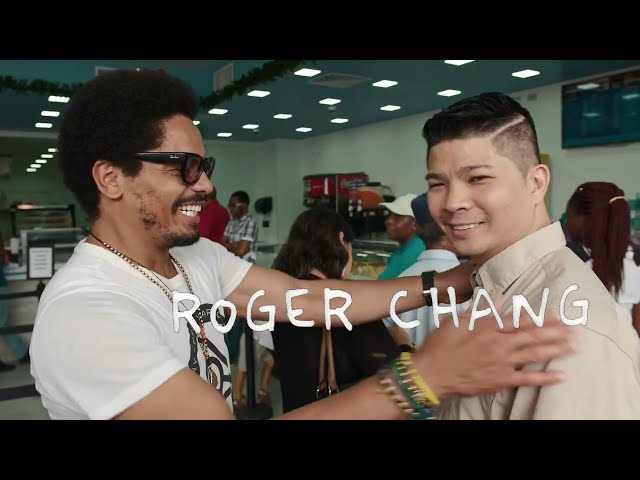
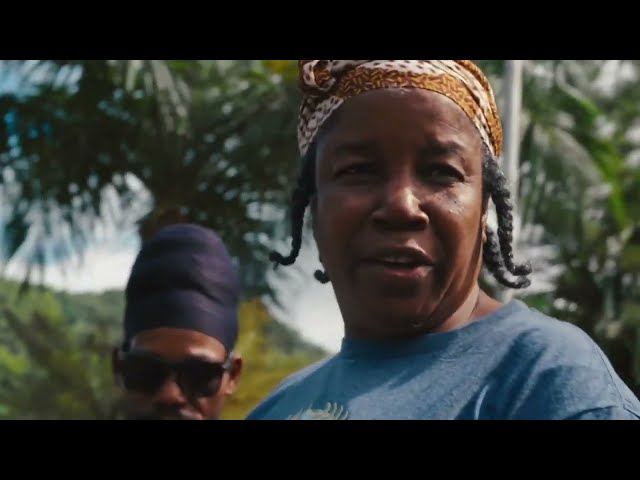
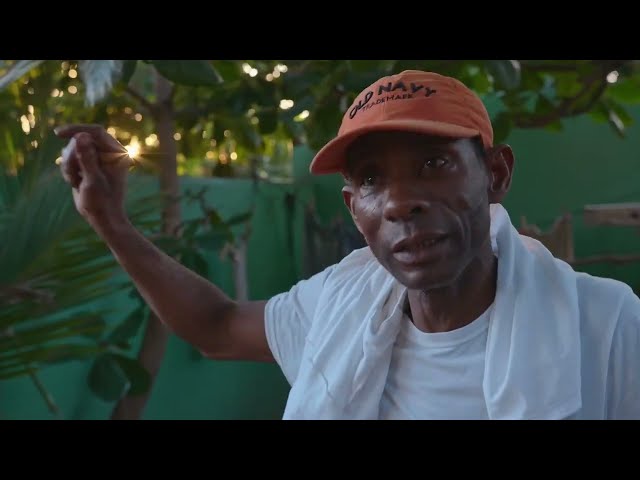
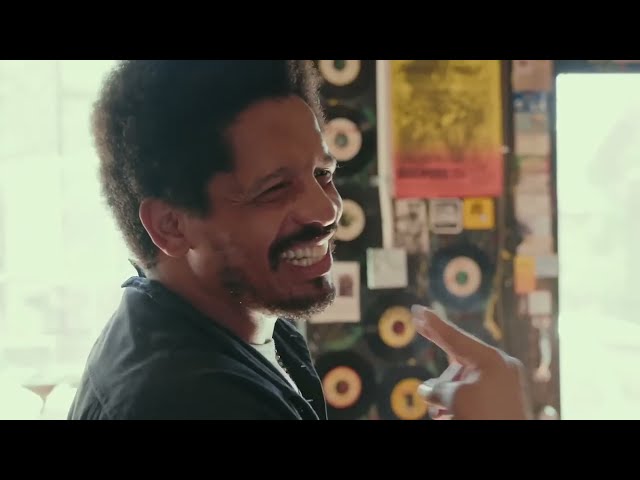
The Hills That Raised Me - Chapter One
Chapter One | Episode One

Meet The Order

Video Wall

Tuff Gong Clothing Commercial
COMMERCIAL

TUFF GONG
CLOTHING

STIR IT UP

The Order

Collection

Premium accessories crafted for the culture

Herb Accessories
Pink Lion Order Triangular Ashtray
Rose Quartz Pyramid
Herb Accessories
Gold Lion Order Ashtray
Herb Accessories
Silver Lion Order Ashtray
Jewelry
Lion Order Signet Ring
Limited Edition
Lion Order Scented Candle
Limited Edition
Lion Order Gold Skateboard Deck
Limited Edition
Lion Order Luxury Sunglasses
Apparel
Lion Order Sweater

The Movement

Culture Moves With Us

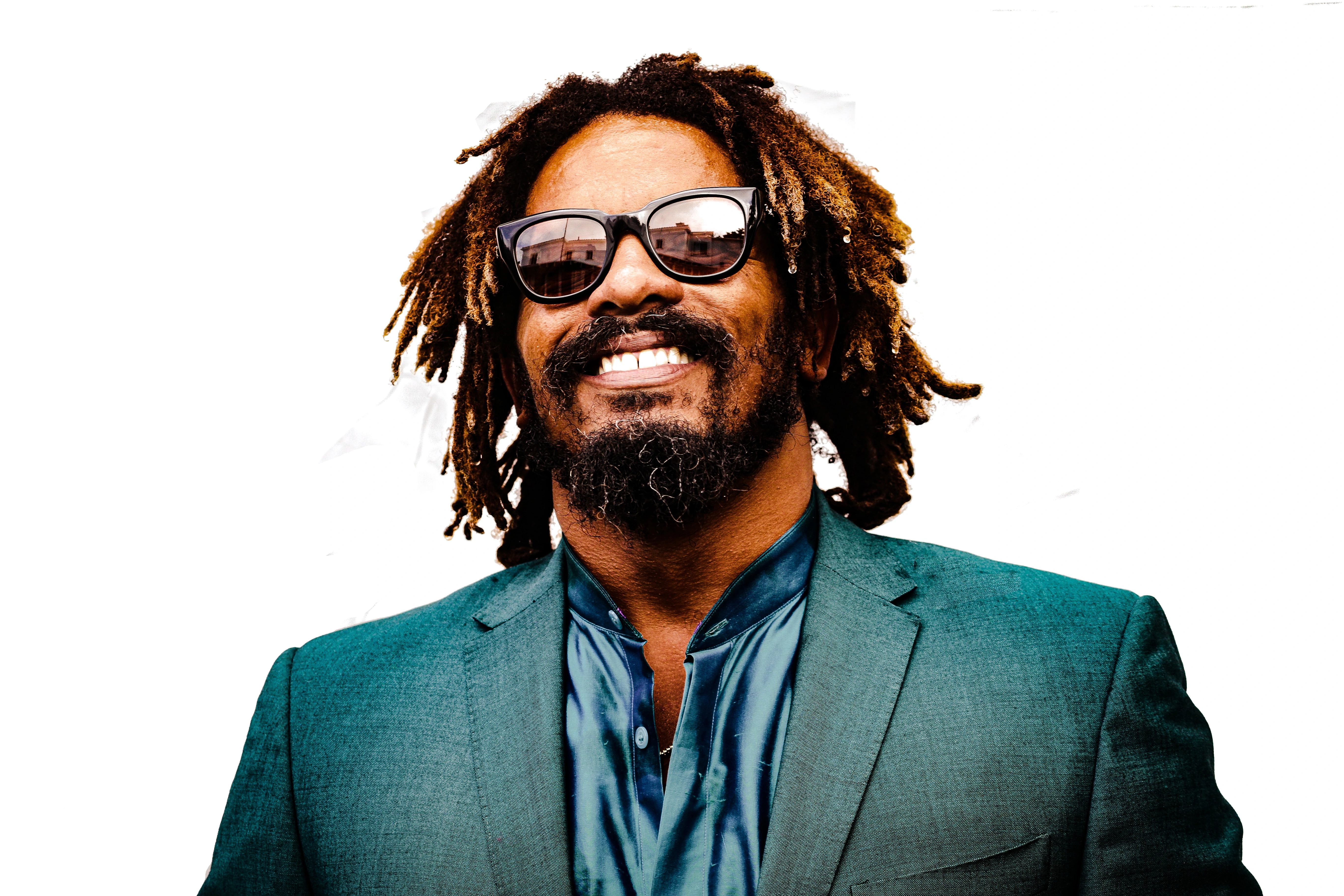
"We don't just sell cannabis. We preserve culture, honor legacy, and build community — one session at a time."

— Rohan Marley

Information

Lion Order
News

How Bob Marley’s Son Learned From Failure And Started A Multi-Million Dollar Coffee Company

Marley Coffee is still a relatively small company, having churned out $6 million in revenue in 2013. But founder Rohan Marley, one of Bob Marley’s children, has big plans for his Jamaican-born coffee business.

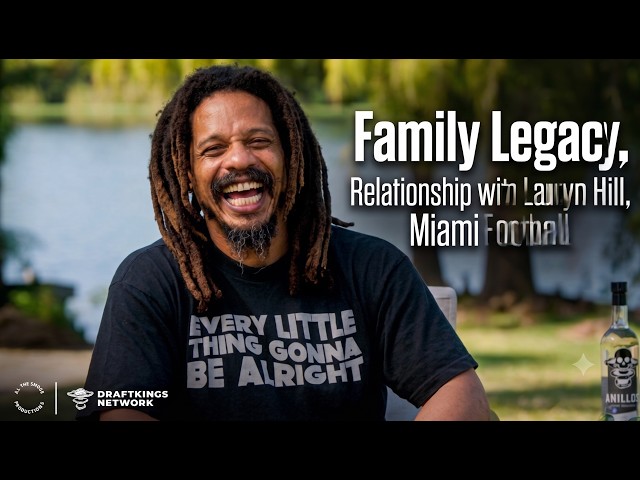
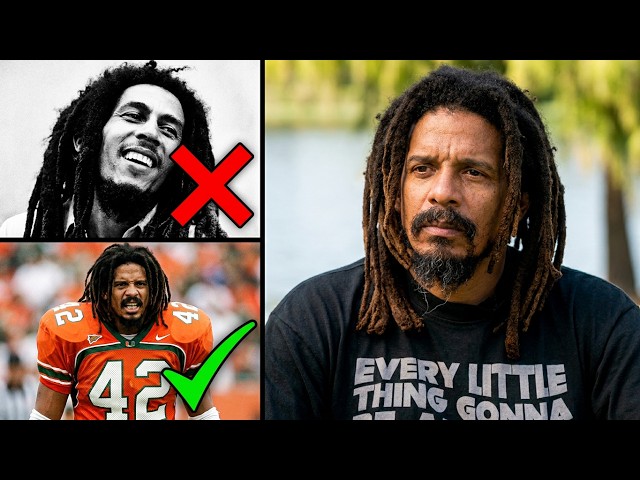
In 1999, Rohan Marley was 27. He had played linebacker for the University of Miami before moving on to the Canadian Football League. Now he found himself in New York City, wanting to do more with his life–to make a name for himself as a Marley.

Then, in a serendipitous twist, a friend contacted Marley about an opportunity to purchase a property in Jamaica. Though he’d only lived in the country as a child before moving to the U.S. at age 12, Marley had recently received $200,000 in royalties from his father’s music. So he made a trip to Jamaica to look at the property, and couldn’t believe what he found.

“The first thing I saw was all the fruits–apple, starfruit, pineapple–tons of fruit growing wildly, and I was seeing all the food going to waste,” he recalls in his thick Jamaican accent. “While I’m walking, I’m thinking, ‘Wow, this land is really fertile.’ When I approached the river, I couldn’t believe my eyes that this property was in Jamaica. Here’s this beautiful piece of property for sale–I thought it was a conspiracy.”

On impulse, Marley forked over his $200,000 and bought the 52-acre property. As he was walking off the land, he noticed an entire community of people standing there, trying to figure out what he was up to. “The only thing I could think to say was, ‘What’s the community known for?’ They said coffee, and by the time they knew my name, I was saying, ‘Well alright, the community is known for coffee, so let’s get down to specifics,'” he says. “My next question: ‘Do you know anything about coffee? They said, ‘Yes, Mr. Marley, we’ve been farming all our lives.'”

It didn’t take long for Marley to decide that he wanted to start a coffee business–one that was emphatically organic. “I’m a Rasta man, and I can’t have a piece of land that isn’t something I want to eat from,” he explains.

It was a long haul from the initial coffee-growing idea to creating a functional business. Marley spent eight years applying for an export license, organic certification, and a coffee-growers license. The learning curve was steep.

“I gave my coffee to a roaster in Jamaica–I gave him 1,000 pounds–and he never returned the bag. He said it was all bad coffee,” Marley remembers. “I decided this wasn’t working for me. I told the farmers, ‘Take all the raw materials, sell it, do what you need to do to keep the farm going.”

Between 2004 and 2006, Marley helped his sister start a clothing company, which eventually ran out of money and shut down. Marley once again needed to reevaluate his life. He packed two duffel bags and headed to Ethiopia.

When he observed that Starbucks was buying coffee from the country, he had an idea. “I’m like, wait a minute, Starbucks is sourcing coffee from all over the world–why do I have to stick to my country Jamaica when Jamaican coffee is so expensive?” he says. “We’re not trying to just appeal to a niche market.”

It was there, in Ethiopia, the birthplace of coffee, that Marley decided to rekindle his business. And once the learning curves were overcome, it turned out that Marley’s land was able to produce some high-quality Jamaican Blue Mountain coffee.

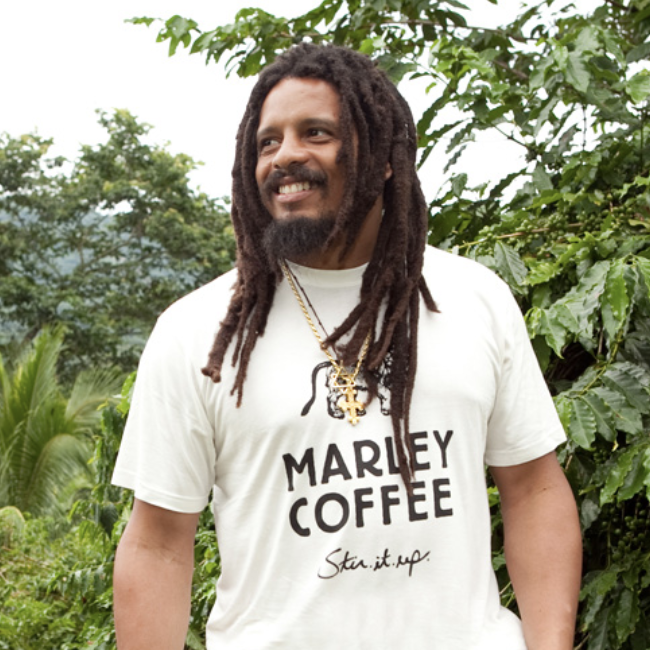
Jammin Java, the corporation behind Marley Coffee, was created in 2009–right around the time that now-CEO Brent Toevs approached Marley about becoming a distributor. Once he learned more about the company, Toevs–a former partner at National Coffee Service & Vending–decided that he could make an impact from the inside. A year and a half ago, Marley Coffee finally began selling its high-end coffee products, which come with Bob Marley-inspired names like One Love, Lively Up!, and Get Up, Stand Up. In addition to beans, the company sells ground coffee and single-serve cups.

“We have a distinct advantage: that [Rohan] did it right, from the roots. His company started as a coffee farm, learning the coffee business from growing coffee,” says Toevs.

Today, Marley Coffee still produces coffee from those 52 acres in Jamaica, but the product is expensive and there is a limited supply. The company now also buys coffee from other countries, including Ethiopia. “It’s the coffee we purchase most of. It’s in almost all of our blends,” says Toevs.

On the farm that Marley owns, it’s easy to ensure that the coffee is pesticide-free and that farmers are treated well. Doing the same on other farms requires more effort. According to Toevs, Marley Coffee teaches farmers on partner farms how to adhere to its sustainable farming practices. The company purchases all of its coffee–which is all either organic or Rainforest Alliance certified–from fair-trade co-ops.

There have been challenges as the company scales up, from $37,000 in revenue its first year, to a projection of over $10 million this year. “With any new brand come those challenges–financial, getting it on the shelf, making sure consumers take it off the shelf. Our challenges are typical challenges of any startup brand. We’re going into a very competitive channel,” says Toevs.

Marley Coffee is in the midst of expanding its product lines into grocery stores, both domestically and internationally. In the near future, the company plans to expand further into the single-cup space. It’s also looking at the possibility of selling cold coffee drinks.

“You’re going to see Marley Coffee in higher-end hotels, in good restaurants,” Toevs predicts. “We think we can get there.”

Rohan Marley’s Passion for Life Was on Display at Miami

Ray Lewis walked into his hotel room the night before a game, dropped his bag, turned around, and started to walk out without paying attention to who his assigned roommate for the night would be.

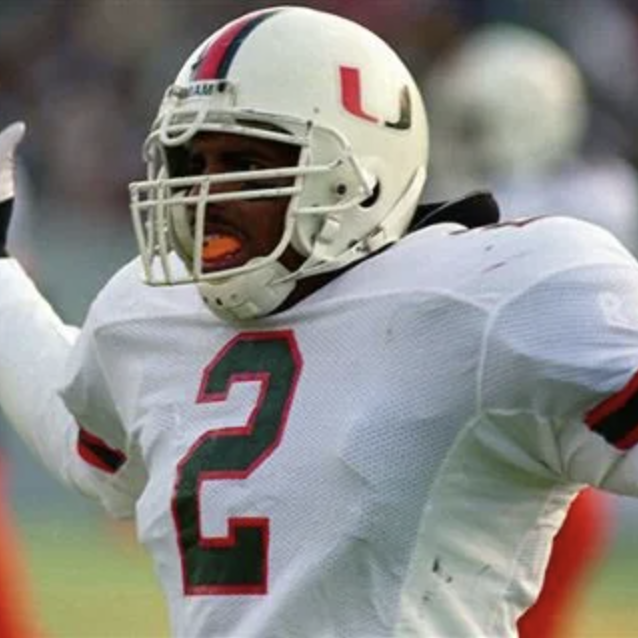
Rohan Marley had 193 tackles in 27 games at Miami from 1992-94. (Photo: JC Ridley / Miami Athletics)

“Hey, where are you going?” Rohan Marley asked the freshman.

“What do you mean? I’m going to go play cards with the guys.”

“No, no, no, no, no. You can’t do that. You have to stay here and be focused. Instead of going out, we’re going to stay in the room and we’re going to focus on the game. We have a game tomorrow.”

Marley walked over to his puzzled teammate and put headphones over his ears with the music from Marley’s father, Bob Marley, playing.

“Oh man, I don’t listen to that stuff,” Lewis said.

“Don’t worry man. Just listen to the words.”

Lewis listened.

Then Marley picked up a bible. Pointed to a verse in the book of Psalms.

“Read this.”

Lewis did.

“I’ll get the mind and you get the body,” Marley told him.

This would be the start of their pre-game routines as linebackers playing for the University of Miami.

The two also had their own version of playing cards. One would flip over the top card and they would do push-ups to reflect the card that was displayed until the deck was complete with each doing over 400 push-ups.

“That was something we bonded on and then later on life we’re still the same—I’m the mind guy and he’s the fitness guy,” Marley said.

Lewis and Marley had a unique connection as Miami teammates for two seasons in 1993 and 1994 helping lead the Hurricanes to a 19-5 record.

“What I love about Ray was his focus on being the greatest linebacker and how he had that mentality and he never stopped training and stopped with his work ethic,” Marley said. “He had a commitment to being the best at what he was doing and still today, he’s the same guy.”

Marley was a hard-hitting 5-foot-8 linebacker who spent four years at Miami from 1991-94 with his best season coming in 1993 when he had 95 tackles. His interesting outlook on life, experiences growing up in Jamaica with his father being a legendary musician, and his toughness on the field made him one of the most unique Hurricanes ever.

He credits his playing style, “from Rastafari, his majesty, my father—those things and that passion for life, the commitment and the devotion that we have even with the things we do on a daily basis because we begin to accept life today and no matter what we are doing it is a stage in our life that is a part of our growing stages and is a part of a self-development so we have to accept that now and that now is to do it at your fullest. When we play the game we have to make sure we play with energy that we want to really rip people apart. To transcend the mind really comes from life experiences and growing up in Jamaica, growing up the way you grow up, and accepting what a beautiful situation I have.”

Marley took great pride in having the right mentality to be a high-level player at a school that won three national championships in a five-year span before his redshirt freshman season at Miami in 1992.

“I think it’s accepting yourself and who you are,” Marley said on the keys to having a proper approach to the game. “You’re there. You're a football player. You’re playing football. Otherwise you’re going to get hurt. It’s just a mentality. Your mentality has to be present. You have to be present and be consumed with your presence in the now. It’s really understanding who am I and what am I doing. Am I being the best that I can be now? That’s what is really important—accepting your now.

“We learn to do that by really understanding yourself and growing within yourself and understanding the task at hand and what we’re trying to accomplish, which is trying to be champions and be number one. How do you get there? Well here we are. Here’s the platform. You can’t wait until January and think July and August don’t count. Every day counts. That’s really the mentality and the visionary and the later in your life that leads you into being an entrepreneur because the things you do good today you’re going to do them greater. But you have to start today. That’s the entrepreneur spirit. But you have to stay. You have to accept the now and where you are today.”

Marley, who currently resides in New York City and runs Marley Coffee in addition to assisting with the family business House of Marley, has been sharing his philosophies on the game to his son Nico, a four-year starting linebacker at Tulane.

“To tell you the truth watching him is almost like watching a double me—myself plus him,” Marley said. “It’s awesome because the son will become a great player because he has his father’s support and that’s the main goal is to take it further than I ever took it as far as understanding of the game, the commitment, and he’s doing a great job. Watching him transition into a college player and the leader of his team as a team captain is a good development because people say he’s undersized, but of course that’s what they said about me, but that don’t stop the lions.

“We are lions. We have a lion heart and to see him have that real passion for the game and just accept who he is as a lion. It don’t matter if there are elephants and zebras and all of these different (animals like) a rhinoceros and hippopotamus, but we’re still lions. We haven’t once gauged ourselves anywhere by size and weight. It is what it is. It is almost like saying the watermelon is better than the mango.”

Marley, a father of seven, has been busy with his children aging from 8 to 22 including Nico, a daughter in law school, another daughter at NYU, a son involved with music, another son beginning high school, and another son and daughter growing up fast.

“I’m consumed with the children,” Marley said.

Marley co-founded Marley Coffee in 2009 and the coffee is grown on a 52-acre farm in the Jamaica Blue Mountains. The coffee is distributed across North America, Asia with about 15 stores in South Korea, and the United Kingdom.

“Every day is a challenge especially with any growing company especially a small company,” Marley said. “We’re at about $13 million over the past three years. But anything you do is a challenge and we’re at the turning point to really take this company to the next level. Obviously the most important thing is what I have in Jamaica because being able to create some opportunities for people where I started the farm for them to have a steady job where they can send their kids to school and better their lives and still assisting the organic movement into the community to really be a part of the development.

“As a business in general you have to raise capital, grow the company, and find specific partners in any organization to really take it to the next level. You have challenges, but I give thanks to my football career for the persistent, my drive, and wanting to do my best job. Being a student at the University of Miami with such a small group of people, but still striving to the best that you are. I give thanks for those opportunities and it has really helped me in becoming an entrepreneur. It’s from my youth as a child in Jamaica and going to college until today.”

Marley was unsure of his future plans after leaving Miami following his junior year in 1994. He played one season in the CFL before ending his football career.

“After college I was confused with what I wanted to do with myself,” Marley said. “I left school after my junior year because I just decided to leave. I went and played a little bit in the CFL, but then I decided I wanted to be a musician so I started to play the drums and that didn’t go too far because I started having children and the lady (Lauryn Hill) I had children with was a very, very successful musician so during my time practicing, she was at the top of her game. I was slowing her down with my music so I just stuck to being an aide to her. After doing my part I got into my own life, which I discovered business. Even after that I went to Jamaica and I wanted to play for the national soccer team so I tried out down there and got into farming.”

UM SPECIAL TO MARLEY

Marley tried to influence his other teammates with his father’s music other than just Ray Lewis. He played his father’s music on the team bus. He often listened to his brother Ziggy’s album, Joy and Blues.

Marley adopted the ideologies of Rastafarianism while in college, and became vegan and grew out his hair.

He appreciated being a part of the OJU, the Organization for Jamaican Unity, while a student at UM. He was also very involved with student life and not just being a football player.

“I remember every day,” Marley said. “I remember being a part of the OJU. I remember I would practice football during the day and play soccer at night on the intramural fields. I loved that. I was just an awesome student and I meant a lot of great friends that were just students. I have a lot of beautiful experiences there walking to the Hecht Center, walking by the lake, going to the Ratskeller, going to class, sitting at the student union, living on campus—it was the first time I had those experiences. I was a little boy growing up and had a great time getting to know people from all parts of the world, different parts of Florida, different parts of the United States, and international students as well, and still tapping into my Jamaican culture there with the organization.”

He enjoyed the camaraderie within the football team, which featured a number of players who hailed from South Florida high schools like himself.

“We’re brothers,” Marley said. “We’re a brotherhood. Robert Bailey, even before I got to school, was a friend. And I’m a king. I’m from the neighborhood. I grew up down the street. It was almost like it’s your high school. It’s no different. We went to class and ate together. It’s not that you became brothers. It’s a part of your existence now and you’re just connected and you stay connected. It’s good that as human beings you get put places and situations with the experience of playing football that you can travel and meet all kinds of people. When we go outside of the University of Miami we go as a unit and it was like war everywhere we go. It’s a unit. We don’t get too friendly with the enemies. That’s the brotherhood and camaraderie.”

Miami was his only scholarship offer out of high school and he couldn’t have imagined going to any other university.

“I feel like just from my own experience I couldn’t have went anywhere else just because that’s the type of human being that I am in general,” Marley said. “I’m a free-spirited mind. If I’m going to go somewhere I’m going to go be a champion. It’s a champion’s spirit. We’re a small school. We’re not the biggest university in the world, but it’s a champion’s spirit and it originates in me. It’s a part of the fire in the spectrum with the orange—it’s my favorite color in the whole wide world. There’s a burning desire to want to be there and when you look at the talent and the type of community that attracted to UM, it doesn’t matter who we are, we’re in Miami.

“You have all different genres of life—Caribbean, American, African, Asian, South American—everything so you get that perfect blend of culture there and you see that fire again because there’s a lot of inner city there. We knew each other from the community schools and you play against each other so you want to meet up with each other. When we come to Miami we want to be number one in the world so it’s a mentality and a spirit that flows in that place. It’s just us against the world. You get the vibe. You get that from watching those games from watching Jerome Brown and watching the legends get off the plane in fatigues and everybody unifying. You grew up watching those guys and you learn from the ones before you. You learn from Jessie Armstead and Micheal Barrow and those guys, Darryl Williams and Hurlie Brown. We learn from those guys before us because those guys are the cream of the crop and they played at a level that was at a professional way. They took serious. That’s why I love that school.”

CURRENT MIAMI

Marley’s son, Nico, starred at nearby Cypress Bay and helped lead the Lightning to the 2012 8A state championship game. Nico, like his father, was overlooked by many schools including Miami despite Rohan’s attempts to persuade the Hurricanes’ coaching staff to pursue Nico.

“Honestly I was a little not so happy when—I mean I accept it, but I think my son Nico should have been a Cane,” Rohan said. “They passed up on him. They told me he was too small and they have other guys just as good as Nico, but they’re a little taller. But Nico told me, ‘I like Tulane and they’re going to offer me.’ I said, ‘Alright, give me a second. Let me call them and see if there’s anything for you and they told me that message.’ I said, ‘Alright son. Let’s go.’ I lost a little bit of connection. I’ll never lose my love because I can’t blame a human being for our university.

“I said, ‘Alright cool and it’s family first in my mind. We’ll go play here.’ And I kind of lost touch after that. I heard that the new coach (Mark Richt) is a Hurricane like me so that’s a brotherhood so he understands what a family program is as far as the brothers and the community that built that program there.”

Marley is hoping Richt prioritizes former Hurricane players, which he has done thus far.

“We have to keep that involved and having emotional support is reassuring like when we were there when we there when we would watch the older players practice on that field,” Marley said. “Also, having the freedom to come and work out and intermingle. When we saw that, that inspired us to be greater.

“I want the new coach to open up the doors and let the former players see the youth. Everyone from that school is passionate about those things. Everyone. All of us. The one thing about the players is we don’t come and go. We come and that’s it. It’s not like a coach. We’re always going to be Canes. Some coaches come and then the next year they’re something else, but we don’t change so don’t interrupt that and that’s something the coach has to respect for the former players. That’s important and I desire that. I hear good things about Mark from the brothers and that’s good.”

Meet Bob Marley's Son Rohan -- An Eco-Entrepreneur Who Rocks!

Last month, while researching sustainable coffee for Green Bride Guide, I had the pleasure of connecting with Rohan Marley, founder of Marley Coffee. It turns out that, like his late father, Rohan is a entrepreneur with a deep love of nature which has informed his passion for sustainable products. In addition to working for Marley Coffee, Rohan is also the Director and primary spokesperson for The House of Marley, a sustainable electronic equipment company. Here is what he told me about their eco-friendly products that have been rated among the best sound equipment in their class.

Kate Harrison: What inspired you to form this business? Why did you decide to "go green" for this line?

Rohan Marley: The House of Marley was inspired by my father’s lifestyle, how he lived and how he wanted all of us to live. A unity with people, the earth, and music is necessary in order to leave a place for future generations that we can be proud of and that is sustainable. While it simply made sense for our family to be involved with headphones, speakers and such, we saw an opportunity to provide eco-friendly products in a category that had not previously been using sustainable manufacturing practices. We hope to lead by example.

Harrison: Which product did you start with, and how has the company grown?

Marley: We started with some headphones, earbuds and speakers and has since grown into a collection of audio gear that combines consideration for the Earth with the newest audio technology, as well as other lifestyle accessories such as bags and watches.

Harrison: What eco features were most important to you and why?

Marley: Using sustainable products like Forest Stewardship Council (FSC)-certified woods, recycled and recyclable metals, and our REWIND fabric (House of Marley’s exclusive, up-cycled material that combines organic cotton, hemp, and recycled water bottles) are all equally important to our vision. The fact that House of Marley reuses so many items in each of its products shows the respect and care we have for our planet and the future. It also has the added benefit of making our products stand out in terms of style in the marketplace.

Harrison: How did going green impact the quality or the price point? Was it worth it?

Marley: There is no doubt that it costs more to produce products that use sustainable, earth-friendly materials and practices — but it is an investment we believe is well worth it and we hope that others will follow this path not only in consumer electronics, but other industries as well, as we have done with Marley Coffee.

Harrison: What has been the hardest part of running this business? How have you faced that challenge?

Marley: While my family and I are very involved in the business, we are lucky to have as partners a team of experienced and exceptional audio and consumer electronics professionals who understand and share our values.

Harrison: What has been the most effective marketing strategy for you and why?

Marley: The Marley name is synonymous with quality sound and we pride ourselves on our commitment to eco-friendly products, which separates us from the sea of black, red, and white plastic that has unfortunately become the norm in the consumer electronics industry.

Harrison: What advice do you have for other "eco-preneurs"?

Marley: For me and my family, respecting the planet and all its people, giving back, and doing business the right way has always been a part of who we are. There was never a question about whether or not House of Marley would produce earth-friendly audio gear; it was a given. Whether you are thinking about product quality, packaging, advertising, or anything else in creating a business, you must always think of honoring your values. For us, that means considering the impact our business will have on the Earth, the people of today and future generations. Living and doing business in a sustainable manner and leaving something for the future must come first.

Rohan Marley: Farming coffee, living his father’s dream

When you hear the name Marley, you think about music. Rohan Marley, son of the legendary musician Bob Marley, is adding something else to his family's legacy -- coffee.

In 1999 after a stint playing college and professional football and feeling uncertain about his future, he purchased a 52-acre coffee farm atop the Blue Mountains in Jamaica and never looked back. What started as a two-man operation has blossomed into a successful fair trade, sustainable and organic coffee business: Marley Coffee. Marley is the business’ chairman and co-founder.

Jennifer Russell: Your family’s name is synonymous with music -- not farming and not coffee.

Rohan Marley: Right.

JR: But farming is in your blood, isn’t it?

RM: Yes, because originally my father grew up on a farm. Then as a Rastafarian, a Rastafari, we think that it’s awesome that we can farm our own food. So it’s always been in my blood. The coffee was by chance, it was just a part of my destiny.

After college I played some football in Canada and after that I went to live in New Jersey. I used to ask myself, being Bob’s son, “What’s going to be my thing? Am I just going to sit around and collect royalties and do nothing?” Inside of me I had something I wanted to give, I wanted to do more from inside.

A friend of mine called me from Jamaica, where there was this beautiful property available. It was so nice and luscious, this property, and the water was so blue and pristine that I couldn’t believe that I had the opportunity to have this land, to bring this land into the family. I thought it was a conspiracy because here I am 26 years old, I know nothing about farming, I know nothing about anything besides football. The guy sold the property to me right there on the spot.

I said, “What’s in this community? What’s this property known for?” He said, “Oh, Mr. Marley, this is coffee land. You’re in the Blue Mountains of Jamaica. You have Blue Mountain coffee here.” I guess I’m in the coffee business then. Then I said -- thinking about my principles and as a human being -- my first instinct out of my mouth was, “Listen, if we’re going to grow coffee here, you cannot use any chemicals on the land.” He said, “All right, Mr. Marley. We’re going to do it your way.”

That was in 1999. It took me some time to understand what it was I was doing. I had no clue that I had to get all these licenses to export the coffee, I had no clue that I had to do all this work. It took me 10 years to really understand what it was I was doing. It’s a learning process.

JR: I think it’s cool you talk about promoting happiness and prosperity.

RM: I’m joyful. I don’t want burdens. Having this farm and seeing that the farmers are happy and that they’re able to send their kids to school and they’re just so thankful for what it is I’ve done and I’ve done nothing. They’re so thankful for my efforts it just makes us happy -- both of us: myself and the community. I brought Ziggy down to the community. Ziggy rebuilt the school. That was kind of how I got into coffee.

JR: A lot of people probably don’t know that your father, Bob Marley, had a strong desire to become a farmer himself.

RM: He would always say in his interviews that one day he was going to stop playing music and go back to the farm. On the other side now, I am my father’s dream. I’m doing that because he said he wanted to do that. But it’s really for myself, my own life as a man, and leaving something for your children’s children’s children -- to bring something into my family’s legacy outside of music that we can now create an international business throughout the world.

Rohan Marley Reveals He Smoked 'Herb' on the White House Lawn: 'My Ice Cream with the Cherry on Top'

For Rohan Marley, the highs far outweigh the lows.

The Jamaican entrepreneur and son of late reggae legend and activist Bob Marley is well-known for his love of marijuana, tied to his cultural beliefs and lifestyle.

"I was born this way," Marley, 51, tells PEOPLE. "We as Rastafarian people see the herbs as a sacrament, with all the medicinal components as well as the psychoactive component."

That's why he says it's only natural that he launched his cannabis line and lifestyle brand Lion Order. "Growing up as a youth in Jamaica in the '70s, I learned a lot about how herb can help people. This is the perfect opportunity now that the stigma has been lifted."

In his opinion, the growing push to legalize marijuana has caused a level of widespread acceptance that his dad had hoped for.

"This is what my father talked about," he says. "It has lifted such a great burden just in life and how they think about us. It was looked upon so bad back in the day. They downgraded us because we smoked, but now you realize lawyers are smoking herb, judges are smoking herb, all these people with clean faces and haircuts smoke herb."

And according to Marley, "herb" has even made its way to 1600 Pennsylvania Ave.

Asked who was the coolest person he ever smoked with, Marley plays coy. "I would say forget about the person I smoked with, but how about where I smoked," he offers, before answering his own question. "Smoking on the lawn in front of the White House was like my ice cream with the cherry on top. That was the one."

Marley stops short of giving more details, but offers up another great memory: the first time he got caught smoking by his dad. "I started young. Once I was smoking and my dad saw me and says to me 'Hey boy, where you get that from? Who give you that? Take that out your mouth!'" he recalls with a laugh, adding that that day, "My dad embarrassed me."

Next year, he and his many siblings are gearing up to celebrate their father's legacy with the release of the highly anticipated film Bob Marley: One Love, executive produced by his brother Ziggy Marley and hitting theaters in January. "When I watched it I got goosebumps," he says of actor Kingsley Ben-Adir's portrayal of the icon. "Speaking as Bob's family, he's spot on."

He adds, "I'm just happy. Everything Marley is about love. What we're doing with the movie, with Lion Order, with life. We just continue the message of Rastafari, which is love, peace, serenity and togetherness."